
Here are three quick just‑for‑you check‑ins to get a feel for how your brain is doing in everyday life. These are not tests or diagnoses—just conversation starters between you and… you.
Self-Assessment 1: Daily Brain Check-in
Focus: sleep, energy, focus, mood, forgetfulness—modeled loosely on lifestyle/mood check‑ins used for mental and brain health.
Mini Self-Assessments
Self-Assessment 2: Brain‑Healthy Lifestyle Snapshot
Focus: movement, food, social life, learning—mirroring lifestyle‑ based brain health score ideas.
Self-Assessment 3: Everyday Thinking & Memory
Questions (answer “Rarely / Sometimes / Often”):
I miss appointments or important dates because I forgot about them.
I start tasks and then forget what I was doing.
I lose my place in conversations or retell the same story without realizing it.
I make small mistakes with bills, passwords, or everyday details I used to track easily.
Friends or family have gently mentioned concerns about my memory or focus.
Blurb:
Mostly “Rarely / Sometimes”: “Most people have these moments. Simple tools like calendars, reminders, and routines can make things smoother.”
Several “Often” + #5: “It might be a good time to talk with a health professional or explore formal tools from major brain‑health organizations.”
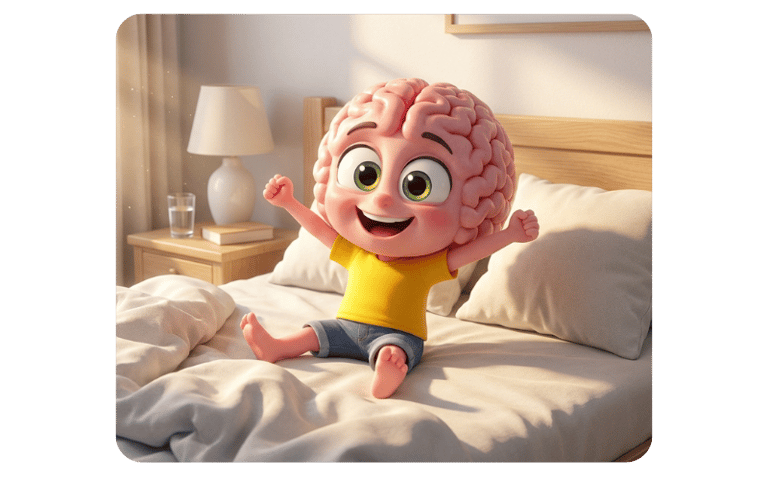
Example questions (answer: “Rarely / Sometimes / Often”):
I feel rested and clear‑headed when I wake up.
I can usually focus on one task long enough to finish it.
I lose track of where I put things (keys, phone, glasses) during a normal week.
I feel easily overwhelmed by small tasks or decisions.
My mood feels up and down in ways that surprise me.
CONTEXT:
More “Rarely”: “Your day‑to‑day brain feels pretty supported—keep noticing what’s working.”
More “Often”: “You might benefit from small tweaks to sleep, routines, or stress habits. If you’re concerned, consider chatting with a health professional or using more in‑depth tools from trusted organizations.”
Questions (answer “Yes / Sometimes / Not really”):
I move my body on most days (even light walking or stretching).
I eat fruits, vegetables, and whole foods more days than not.
I see or talk with people I care about at least a few times a week.
I challenge my brain with new things (reading, puzzles, projects, learning).
I have at least one simple habit that helps me unwind (music, breathing, journaling, etc.).
CONTEXT:
Mostly “Yes”: “You’re already giving your brain several of the building blocks many experts highlight: movement, connection, learning, and rest.”
Mostly “Sometimes / Not really”: “Consider picking one area to experiment with first—like a short walk, a weekly call, or a tiny new learning habit.”
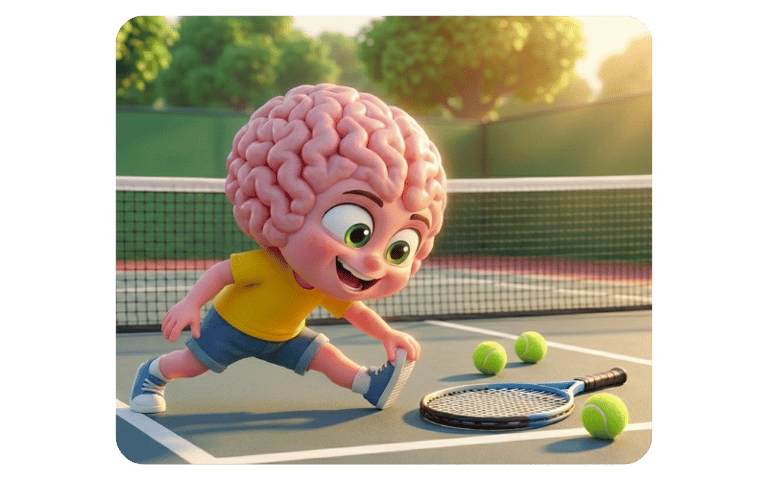

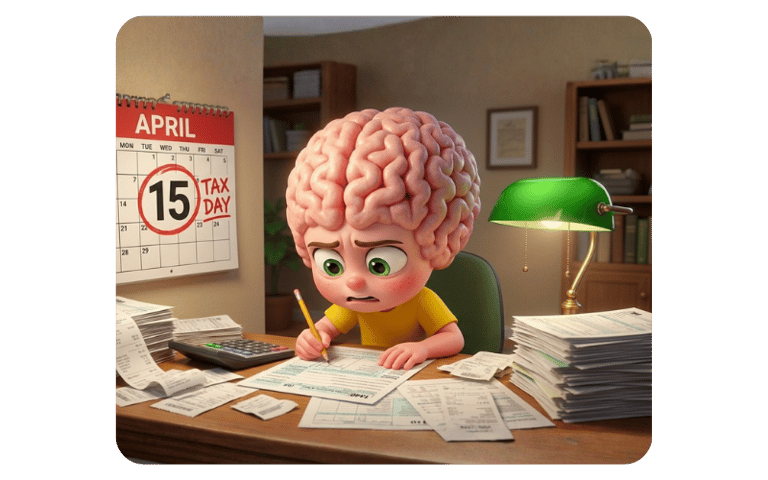
Focus: appointments, tasks, conversations, money details—kept non‑clinical but aligned with what brain health centers ask people to notice.

Site Content Disclaimer: The content provided on We Mind You Thrive (including all articles, videos, and "Bennie's Brain Bites") is for informational and entertainment purposes only. It is not intended to be a substitute for professional medical advice, diagnosis, or treatment. Always seek the advice of your physician or other qualified health provider with any questions you may have regarding a medical condition or mental health concern. Never disregard professional medical advice or delay in seeking it because of something you have read or seen on this website.
Affiliate Disclosure: Some of the links on this website are affiliate links, meaning We Mind You Thrive may earn a commission if you click through and make a purchase. This comes at no additional cost to you and helps support our mission to bring you quality brain-health entertainment and information. We only recommend products and services we believe in.